מפעיל שלושים p53

עברית
 
 
(l-r) Dr. Perry Stambolsky and Profs. Varda Rotter and Moshe Oren
 
Weizmann scientists celebrate three decades of tumor-suppressor research

In 1979, disco was reaching   its height, Egypt and Israel were negotiating a peace treaty, and cancer researchers were in the midst of the revelation that genes can promote cancer. Certain viruses, for instance those that insert their DNA into the genes of their host cells and others that “borrow” host genes and manipulate them, were found to cause cancer. Almost accidentally, several research groups noted the existence of a gene that seemed to play a role in the cell’s switch to malignancy after becoming infected with  cancer-causing viruses.

Two young Israeli researchers working in the US became involved with the new gene, called p53. (The number refers to the molecular weight. It has since been corrected to 43.7, but the name has stuck.) Moshe Oren was in the Princeton lab of Prof. Arnold Levine – one of those labs that first published the discovery of p53. Meanwhile, Varda Rotter, under the guidance of Nobel laureate Prof. David Baltimore, identified the p53 gene in a different type of virus-caused tumor.
 
That early research seemed to indicate that p53 was an oncogene – a cancer-causing gene. Rotter’s research in Baltimore’s lab revealed high levels of the p53 protein in many types of cancer cells (including those not infected with a virus), but almost none in non-cancerous ones.
 
Oren and Rotter both returned to Israel in 1981, soon setting up independent labs in what would become the Weizmann Institute’s Molecular Cell Biology Department, and they began to study the gene in earnest. Quantities of DNA were needed for experiments, and this meant that the gene had to be cloned – a procedure that in those days required, says Oren, “a lot of improvisation, ingenuity and (not least) good luck.” Oren, beginning his work in the lab of Prof. David Givol and continuing to collaborate with Levine, was the first to clone the p53 gene, in 1983. Givol has since joined the circle of p53 researchers, with numerous contributions of his own. Rotter, continuing the work she started in the US, developed new methods for detecting p53 in cells – methods that are in use today in hundreds of labs around the world. In 1983, she suggested that the p53 protein can be regarded as a “tumor-specific marker.”
 
The two scientists enjoyed a sort of “friendly, constructive competition.” In that first decade p53 research began to take some interesting twists and turns. Sometimes the gene clearly played a role in cancer, but in other cancer cells it was inactivated, and results from different clones didn’t always match. In 1989, Oren, Rotter and others compared the various p53 clones and discovered they were all different; what they had thought were oncogenes were in fact mutated versions of a gene that in healthy cells normally plays an entirely different role.
 
It soon became apparent that unmutated, healthy p53 is the opposite of a cancer gene – it’s a tumor suppressor that prevents renegade genes from driving the cell toward cancer. Sir David Lane, one of p53’s codiscoverers, dubbed it “the guardian of the genome.” Just as significant were discoveries that p53 is mutated in about half of all cancers and its actions stymied in many others. With that, p53 research took off. But just when it seemed that this one gene might hold the answer to how cancer develops, scientists began to discover how many complex roles that gene can play. To date, over 50,000 scientific papers have been published on p53, and the flow of new discoveries has by no means abated.
 
While the research of Profs. Oren and Rotter diverged – he turned more to unraveling the role of unmutated p53 in healthy cellular function, she to investigating mutated p53 in cancer – they also began to collaborate. To date, they have published 15 joint papers (see box). They have received numerous awards for their pioneering work, and each of them was recently honored with an invitation to contribute to a special issue of Nature Reviews: Cancer, commemorating 30 years of p53 research.
 
Was it worthwhile for one small institute to support two groups conducting cutting-edge studies on the same gene? Oren and Rotter say the synergy between them has generated a critical mass that has put the Weizmann Institute and Israel at the forefront of p53 research. They emphasize that at least 20 Weizmann research teams are involved in p53-related research; and the younger generation of scientists is using new methods to address as yet unanswered questions. Indeed, there is hardly a cancer researcher around who hasn’t investigated p53 in one way or another.
 
Prof. Moshe Oren’s research is supported by the M.D. Moross Institute for Cancer Research.
 
Prof. Varda Rotter’s research is supported by the Leir Charitable Foundations; the Centre Leon Berard Lyon; the Lombroso Prize for Cancer Research; the Jeanne and Joseph Nissim Family Foundation for Life Sciences; the estate of John M. Lang; and Donald Schwarz, Sherman Oaks, CA. Prof. Rotter is the incumbent of the Norman and Helen Asher Chair of Cancer Research.
 
When to Skip the Vitamins
Vitamin D may have cancer-prevention properties. But can it help if a person is already ill? Clinical trials examining the effects of vitamin D on patients receiving chemotherapy have not yet answered this question. But Profs. Oren and Rotter’s latest collaborative effort, conducted with former student Perry Stambolsky, began from a different angle altogether: Two unrelated experiments in their labs seemed to point to a connection between p53 and the molecular machinery mediating the cell’s response to vitamin D. Probing further, they found out exactly how this machinery interacts with p53, providing a sort of booster that reinforces its actions. That’s good news when the p53 is a non-mutated tumor suppressor: Vitamin D can assist in destroying the tumor. It might, however, be a reason for concern when p53 is mutated. Oren: “When healthy, p53 prevents cancer. But mutations are like sticks jamming the machinery that keeps cancer at bay, and vitamin D may wedge those ‘sticks’ into the works a little tighter.” Rotter: “When deciding whether to prescribe vitamin D, it might be important to know not just whether the p53 is mutated, but the nature of those mutations.”
 
 
עברית

סיפורו של איש צעיר

עברית
פרופ' אוריאל (אורי) ליטואר, 1978
 
פרופ' אוריאל (אורי) ליטואר יושב בחדר, במחלקה לנוירוביולוגיה, ומרגיש בבית. בחדר שמולו עבד אביו, ד"ר פרנץ שמעון ליטואר, שהיה מהנדס כימי, ובעל תואר דוקטור בחקלאות מאוניברסיטת לייפציג. באותה עת היה הבניין הזה חלק מהמינהל למחקר חקלאי. הוריו של אורי, שהיו חברים בארגון הציוני-גרמני "כחול-לבן", הגשימו את הרעיון הציוני ועלו ארצה בשנת 1923, ובחודש פברואר, כשנה לאחר מכן, נולד אורי בתל-אביב.

בנעוריו הצטרף אורי ל"הגנה", והשתמש במכשירי תקשורת אלחוטיים. עם סיום לימודי התיכון, בגימנסיה הרצליה, הצטרף להכשרה בקיבוץ רמת יוחנן. בהמשך התגייס לפלמ"ח, למחלקה בפיקודו של יצחק רבין, והוצב בקיבוץ תל יוסף, במחלקה בפיקודו של יצחק רבין. לאחר מכן הצטרף לפל"ים, ועסק בהברחת ספינות מעפילים תחת עינם הפקוחה של הבריטים. בשנה האחרונה לשירותו חלה בקדחת, והרופאים יעצו לו להחליף אקלים. הוא עבר לירושלים, שם החל ללמוד כימיה באוניברסיטה העברית, ופגש את האחים אהרון ואפרים קצ'לסקי (לימים קציר), שהיו אז מרצים צעירים ומוכשרים שמשכו קהל סטודנטים גדול, ועמדו גם בראש "תא הכימאים" של ה"הגנה" בירושלים. הם שכנעו אותו להצטרף לחיל המדע (חמ"ד), שעסק בייצור נשק ותחמושת, ואורי התמנה למפקד היחידה הכימית.
 
ב-1949 קיבל חופשה מצה"ל כדי להמשיך את עבודת המאסטר – אותה סיים בהצטיינות. לאחר מכן הציע לו פרופ' ארנסט ברגמן לעשות דוקטורט בהדרכתו במכון ויצמן למדע. הוא בחר, כנושא, את מנגנון התסיסה של סוכר פנטוז בחיידקים. לאחר מכן נסע למחקר בתר-דוקטוריאלי במעבדתו של פרופ' ארתור קורנברג, חתן פרס נובל לרפואה, בבית הספר לרפואה של אוניברסיטת וושינגטון בסנט לואיס. מחקרו שם התמקד בחומצות הגרעין – החומר הגנטי, ובמסגרתו גילה אנזים הקרוי פולינוקלאוטיד פוספורילאזה, שבעזרתו אפשר לייצר חומרים הדומים בהרכבם ובתכונותיהם לבסיסים המרכיבים את הדי-אן-איי והאר-אן-איי.
 
עם חזרתו למכון ויצמן, בשנת 1957, הקים, יחד עם פרופ' דוד אלסון, פרופ' תיאודור ויניק וד"ר מרדכי אברון, את המחלקה לביוכימיה, והפעיל מאמצים רבים למען צירופה של ישראל כחברה שוות זכויות באיגוד האירופי לביוכימיה (FEBS).

באחד מביקוריו של ראש הממשלה דאז, דוד בן-גוריון, במכון, הוא פגש את המדען הצעיר, ובשיחה שהתפתחה ביניהם שאל "איש צעיר, מדוע שלא תחקור את המוח האנושי? הרי עליונותו של האדם היא מוחו". אורי קיבל את האתגר, והציע להנהלת המכון להקים מחלקה חדשה. התעניינותו בנושא התפתחה בהדרגה, במקביל להתפתחותן של הביולוגיה המולקולרית והגנטיקה, והוא סבר שהגיעה העת ליישם גישות בין-תחומיות דומות גם בנוירוביולוגיה. הוא ניצל מילגה יוקרתית שקיבל מה-NIH כדי ללמוד יותר על התחום, וכשחזר ארצה ייסד במכון מחלקה לנוירוביולוגיה, שבראשה עמד עד צאתו לגמלאות בשנת 1988. בהנהלתו עסקה המחלקה בחקר פעולותיו של התא העצבי ובהתפתחותו, וכן ברקמות הקשורות למערכת העצבית, כמו שרירים ורשתית העין. מחקריו של אורי עסקו, בין היתר, בגידול מסוג נוירובלסטומה הנפוץ בעיקר בקרב ילדים. הוא גילה שני חלבונים שמדידת כמותם בתא מאפשרת לאבחן את המחלה עוד בשלביה הראשונים.
 
באחרונה מוקדשים מחקריו להבנת הגורמים למחלת הפרקינסון.
 
פרופ' אוריאל (אורי) ליטואר מת באחרונה.
 
פרופ' אוריאל (אורי) ליטואר
 
 
עברית

פתרונות פשוטים

עברית
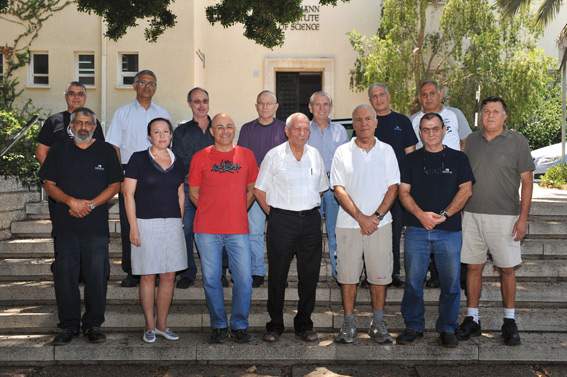
בשורה התחתונה, מימין: אליה עזרא, אלכס ג'האן פירד, חיים גל, דני ברק, ג'ורג' אנקוה, ליליה גופר, יואל כלף. בשורה העליונה, מימין: יצחק משה, אברהם שיתיאת, דוד פרומרמן, אברהם איינהורן, בנימין פסמנטירר, אפרים שלום, ניסים קנפו. יכולת המצאה
 
 
חוט ברזל, ניילון נצמד וסבון כלים יכולים לשנות ולשפר את חייהם של בני-אדם, אם רק נלווים אליהם יכולת המצאה, חשיבה מחוץ לקופסה, חתירה את הפתרון הפשוט ביותר האפשרי - ורצון לעזור. למסקנה זו הגיעו טכנאים והנדסאים רבים במכון ויצמן למדע, שבהנהגתו של מנהלם באותה עת, דני ברק, התנדבו לסייע לפצועי ונכי צה"ל.
 
ברק, שמציין בימים אלה את יום הולדתו ה-79, עומד כיום בראש עמותה הממשיכה לפעול למען הפצועים והנכים. "השלב הראשון בכל פרויקט הוא ההקשבה", הוא אומר. "כדי להבין את הבעיה, את הקושי. המאפיין הבולט בעיסוק הזה הוא שמדובר בבעיות ייחודיות, לאנשים מסוימים, במצבים ייחודיים. חשוב לעבוד עם הנכה ולא מולו".
 
דוגמה אופיינית היא סיפורו של פצוע צה"ל, שבעת שירותו בחיל ההנדסה איבד את שתי ידיו. כושר הראייה והשמיעה שלו נפגעו גם הם. הוא פנה לצוות הטכנאים של המכון, ולדני ברק, כדי למצוא פתרון לבעיה מורכבת: סגירה ופתיחה של מכסה שפופרת משחת השיניים. הנכה לא יכול היה לסובב את המכסה כדי לסגור את השפופרת. הצוות פתר את הבעיה באמצעות הלבשת פיטמה עם פתח בצורת צלב על שפופרת המשחה אשר הוצמדה לקיר - כך שאפשר להוציא משחה בלחיצה בלבד.
 
הטכנאי אבי איינהורן, הפורש בימים אלה לאחר יותר מ-50 שנות עבודה במכון, עבד לצדו של דני ברק במשימות רבות של עזרה לפצועים ולנכים. הוא החל את דרכו בבית המלאכה של המכון בסתיו 1960, כנער שליח, והתקדם עד לתפקיד מנהל בית המלאכה. זה סיפור קלאסי של נער שמבקש לעבוד אצל האומן הקפדן כדי לגלות וללמוד את רזי המקצוע. בתחילה טיאטא את הרצפה וניקה את המכונות, עד שיום אחד, בשל מחסור זמני בעובדים, ביקשו ממנו להכין במחרטה חלק מסוים. מאז, החלו להטיל עליו משימות שחייבו ידע ומיומנות.
 
ברק, שהתמנה בינתיים למנהל האגף לשירותי מחקר, מינה את איינהורן למנהל בית המלאכה. "זו מלאכה רצופת אתגרים", אומר איינהורן. "במכון ויצמן, המדענים זקוקים למערכות ניסוי שאין אפשרות לקנותן. אין מוצרי מדף, כך שעלינו לתכנן ולייצר את מערכות הניסוי בעצמנו. מדובר בשגרה של המצאות ומציאת פתרונות יצירתיים". שמיעתו של איינהורן עצמו נפגעה בעת שירותו הצבאי, כך שהעזרה לפצועים ולנכים הייתה, מבחינתו, עזרה לחברים במלוא מובן המלה.
 
לאחר שהצליחו למצוא פתרונות ייחודיים ופשוטים ולסייע למספר פצועים ונכים, גדל הפרויקט של ברק, איינהורן וחבריהם אל מעבר לבתי-המלאכה של מכון ויצמן למדע. כך קמה, בשנת 1981, עמותת מילב"ת (מרכז ישראלי לעזרים, בינוי ותחבורה). לטכנאים של המכון, שהמשיכו לתרום מכישוריהם ומזמנם, הצטרפו מתנדבים נוספים מהתעשייה האווירית ומארגונים נוספים. ברק עצמו ממשיך לחפש ולמצוא פתרונות פשוטים לבעיות מורכבות. מכריו מעידים שלעולם אי-אפשר לתפוס אותו בלי חוט או שרוך כלשהו בכיס מכנסיו. איינהורן, הפורש בימים אלה, מנסה להימנע מלתכנן את העתיד. אבל מחשבות על התנדבות וסיוע לנוער כבר עולות אצלו.
 
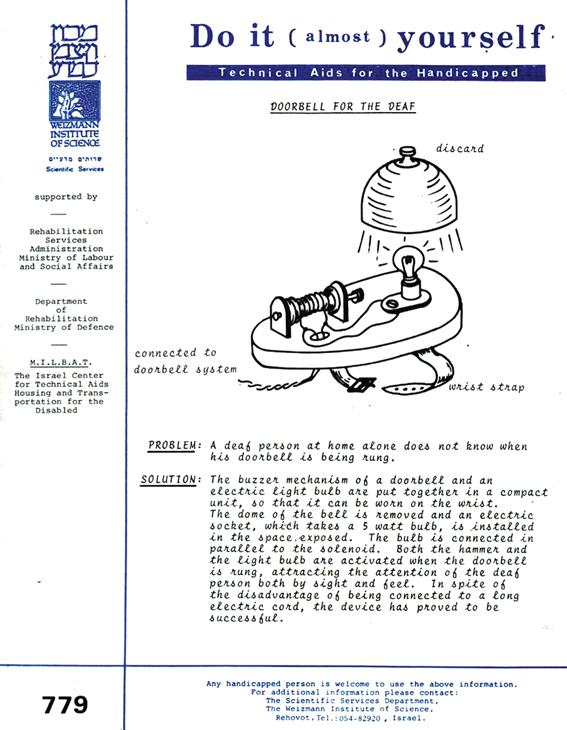
פעמון דלת לחירשים, 1979. המיתקן כולל נורה המולבשת על ידו של החירש באמצעות רצועת מתכת. בזמן צלצול בפעמון הדלת, הנורה נדלקת, ורצועת המתכת רועדת.
 

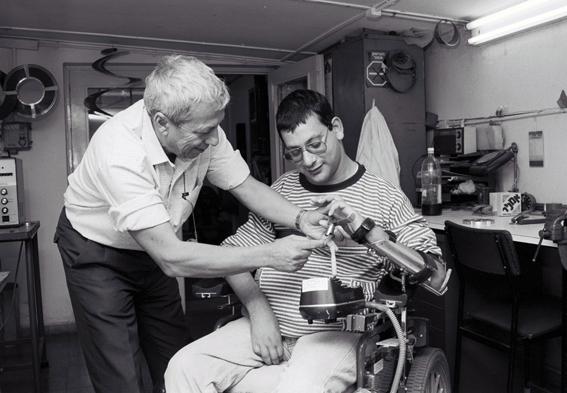
דני ברק (משמאל) עם עומר יעקובסון, מחבר צינורית שהיא בעצם תרמיל רובה, על מנת שעומר יוכל לתפעל את הג'ויסטיק בקלות.

עברית

גולם במעגל האלקטרוני

עברית
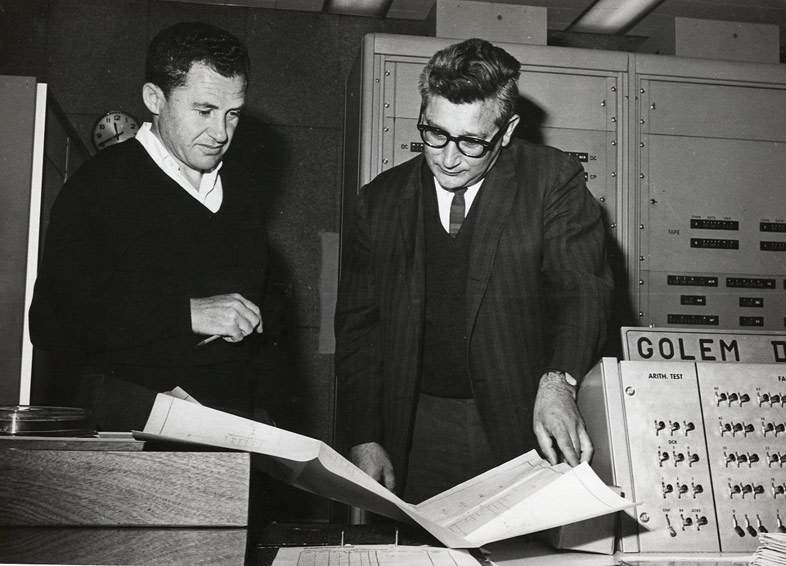
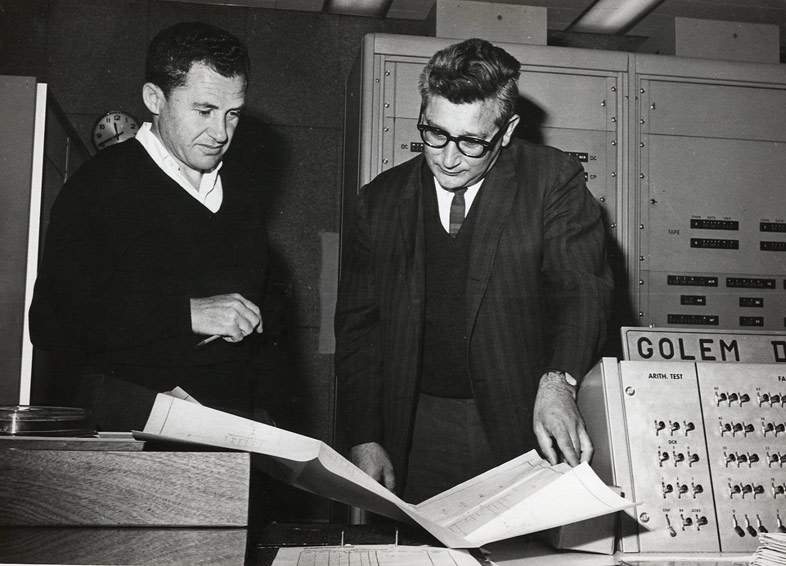
מימין: פרופ' ברטרם באסל ופרופ' שמיל רוכמן. כוח חישובי
 
הוא חלם לעלות לארץ ישראל ולהתיישב בקיבוץ, אבל הגשמת החלום הזה נדחתה שוב ושוב בנסיבות החיים. בסופו של דבר היה זה דווקא "גולם" שגרם לו להגיע ארצה, ולהשתקע ברחובות. שמיל רוכמן, מחלוצי תעשיית המחשבים המתפתחת, נענה בתחילת שנות ה-60 של המאה ה-20 לפנייתו של פרופ' חיים פקריס והגיע למכון ויצמן למדע, שם החל בתכנון ובבניית ה"גולם" - בן הדור השני של המחשבים במכון, אחרי ה-WEIZAC.
 
רוכמן הילד התבלט בנטייה למתמטיקה. בתום מלחמת העולם השנייה, כשהוא כבן 20, בחר ללמוד הנדסה אזרחית - התחום הרחב ביותר של הנדסה באותם הימים שכלל בניין, חשמל, כבישים ועוד - מקצוע שיהיה לתועלת לכשיעלה לישראל. לאחר שנתיים של לימודי הנדסה ב-Worcester Polytechnic Institute שבמסצ'וסטס, החליט לשנות כיוון ולפנות ללימודי פיסיקה. אבל לגורל היו תוכניות משלו. משלא הצליח לפגוש את ראש המחלקה לפיסיקה, נועץ בראש המחלקה לאלקטרוניקה, והחליט ללמוד הנדסת חשמל. בשנת 1949 קיבל את התואר הראשון בהנדסת חשמל.
 
את התואר השני בחר לעשות באוניברסיטת פנסילבניה, מקום הולדתו של המחשב האלקטרוני הראשון, ה-ENIAC והמחשב הקלאסי הראשון, ה-EDVAC. במהלך לימודיו עבד באוניברסיטה בפיתוח הדור השני של מחשבים, התבלט בתחום, ועם סיום לימודי התואר השני, בשנת 1952, השתלב בתעשיית המחשבים שהחלה להתפתח אז. הוא עבד ב-.Raytheon Manufacturing Co שם התמחה בתחום החומרה ועסק בפיתוח מעגלים מגנטיים לזיכרון וללוגיקה, שיושמו, בין היתר, במחשב לניווט מוטס. עבודתו הניבה 16 פטנטים. לאחר מכן הצטרף לחברת Packard Bell Computers, בתור שותף-מייסד ומנהל אגף פיתוח של החברה. קבוצתו רשמה מספר פטנטים, ועסקה, בין היתר, בתכנון מחשבים למעקב אחר טילים, ובתכנון מחשב לחישובו של מסלול חללית לשילוח אדם לירח (טרם הקמתה של נאס"א), בתכנון מיכשור לצוללת האטומית הראשונה - ה-Nautilus, ובפיתוח מיני-מחשב (עוד בטרם כונה המכשיר בשם זה) אשר הכיל כ-250 טרנזיסטורים וזיכרון של 4,000 מילים.
 
כמנהגו, הקפיד לשלב עבודה בתעשייה עם הרצאות באקדמיה, ונסע תכופות להאזין להרצאות במתמטיקה ב-MIT. "בתחום זה, שמתקדם כל כך מהר, יש דברים שמתפתחים יותר מהר בתעשייה ודברים שמתפתחים יותר מהר באקדמיה. אם אתה רוצה לעקוב אחרי הכל, כדאי לך להיות גם פה וגם שם". באותה תקופה היו מעט, יחסית, מומחים במחשבים. אולם קטן הספיק להכיל את כולם. רוכמן השתתף בכינוסים ופגש את עמודי התווך של האקדמיה והתעשייה בנושא. במקביל לעבודתו בתעשייה הוא הירצה באוניברסיטת קליפורניה בלוס-אנג'לס, שם פגש את פרופ' ג'רלד אסטרין, שמילא תפקיד מרכזי בבניית ה-WEIZAC - המחשב האלקטרוני הראשון בישראל. באמצעות אסטרין הכיר שמיל את פרופ' פקריס, ראש המחלקה למתמטיקה שימושית במכון. באותם ימים נבנה באילינוי מחשב חדש - ILLIAC2, ומירון הלמן נשלח לשם מטעם המכון כדי ללמוד מניסיונם של המדענים שם לצורך בניית מחשב חדש. רוכמן נסע גם הוא להתרשם מהמחשב שבבנייה. בשובו הציע לפקריס שלא להתבסס על מחשב זה, אלא להשתית את המחשב על מעגלים מודפסים ועל זיווד קומפקטי. פקריס שקל את דבריו, והציע לו לבוא למכון ולבנות את ה"גולם", ורוכמן קיבל את הצעתו בשמחה.
 
בשנת 1961 הגיע רוכמן עם משפחתו למכון, והחל במלאכת התכנון והייצור של ה"גולם". בעזרתם של המהנדסים מירון מלמן וצבי ריזל בנה מחשב המבוסס חלקית על ה-ILLIAC2 (שלמעשה, מעולם לא הופעל), והם הצליחו לשפר אותו במידה רבה: מחשב ה"גולם" הגיע לדיוק של 19 ספרות לעומת 13 בILLIAC2, מהירותו גדלה ב-20%, דיוקו ואמינותו היו גדולים פי 4, גודלו הוקטן, הופחתו הסיכויים לתקלות, ועלותו הייתה כ-800 אלף דולר בלבד. המחשב החל לפעול בהיקף של 24 שעות ביממה, ושימש לביצוע חישובים מדויקים לצורך מחקרים שונים בגיאופיסיקה ובספקטרוסקופיה אטומית. "העבודה על מחשב זה הייתה שונה מאוד מזו שבתעשייה", מספר רוכמן. "בעוד שבתעשייה נהוג לבנות אבטיפוס ולבדוק אותו בטרם צאתו לייצור, בניית ה"גולם" נעשתה ישירות, עם כל הסיכונים שבדבר".
 
עם סיום בנייתו של "גולם" א' היה צורך בהכפלת הכוח החישובי, ובשנת 1967 החלה בנייתו של "גולם" ב', שהייתה מסובכת הרבה יותר, ודרשה אמצעי צילום וצריבה מדויקים. המדפיס הממשלתי, אשר היה אמון על הדפסת שטרות, ביצע את עבודת ההדפסה. כמו כן נבנו מעבדות מיוחדות ליצירת מעגלים מודפסים רב-שכבתיים, קרומים דקים ועוד. המחשב כולו הורכב מכרטיסים נשלפים, והחיבור ביניהם חווט במומחית רבה. מריון, רעייתו של שמיל, נחלצה לעזרתו, וניצלה את הרקע שלה באמנות כדי לסייע לו בהכנת השרטוטים הטכניים. בנייתו של המחשב הושלמה בשנת 1974. שני ה"גלמים" היוו אטרקציה למבקרים במכון, ואנשי שם רבים ביקרו במעבדתו של רוכמן. אשתו של רוכמן, מריון, נקלטה אף היא במכון ועבדה במחלקה לגרפיקה.
 
במקביל לעבודתו כראש המעבדה לאלקטרוניקה במחלקה למתמטיקה ימושית במכון, הירצה רוכמן בטכניון והקים בו מעבדה ספרתית, הדריך דוקטורנטים, שימש כיועץ במספר חברות, התמנה על-ידי גולדה מאיר, ראש הממשלה דאז, כחבר במועצה הלאומית למחקר ופיתוח, והתמנה על-ידי ראש הממשלה, לוי אשכול, לחבר בוועידה הכלכלית שהקים לאחר מלחמת ששת הימים. בשנת 1984 שלח מאמר לכינוס שהתקיים בסין בנושא "עיבוד אסוציאטיבי במערכות גראפיות". המאמר התקבל ורוכמן הוזמן לכינוס - למרות שבאותה עת לא היו יחסים דיפלומטיים בין ישראל לסין - והיה למדען הישראלי הראשון שנסע לכינוס בסין. הוא זכה להערכה ולהוקרה. בין היתר, קיבל בשנת 1969 את פרס רוטשילד, יחד עם צבי ריזל ומירון מלמן. "עזבתי את ארה"ב בתקופה מרתקת בהתפתחות תעשיית המחשבים, אך ההימור היה מוצלח מבחינתי: התאפשר לי לתרום את חלקי לפיתוחם של תחום המחשבים והטכנולוגיה בארץ".
 

אישי

שמיל רוכמן נולד במולדובה. אימולימדה אותו לקרוא ולכתוב עברית בגיל צעיר, ואת לימודיו בבית ספר "תרבות" - שפתחו הוריו - התחיל ישירות בכיתה ב'. כבר מגיל צעיר בלט בכישוריו המתמטיים, ובאחת מחופשות הקיץ בבית סבו בילה רוב הזמן בלימוד עצמי של אלגברה. עיסוקיו בשעות הפנאי כללו בעיקר עזרה לחבריו בלימודיהם, משחקי שחמט, ופעילותבשומר הצעיר - ללא ידיעת הוריו, כיהארגון היה בלתי-חוקי בתקופה זו. הפעילות - אשר התנהלה בקבוצות קטנות, בבתים פרטיים, במגרשים שוממים, ביער ובמקומות אחרים - כבשה אותו, והוא כיוון עצמו להתיישבות בקיבוץ.
 
כשמלחמת העולם השנייה עמדהבפתח, חש אביו של רוכמן את הסכנההקרבה, ונסע לתור אחר מקום מבטחים למשפחה. נדודיו הביאו אותו להונדורס הבריטית (כיום בליז), שם השתקע עם משפחתו - בניגוד לדעתו של רוכמן בן ה-14, שביקש לעלות לארץ ישראל. בהונדורס סייע לאביו הסוחר בפרנסת המשפחה. מכירת סחורות לא הייתההעיסוק החביב עליו, אלא לימודים. אחרי המלחמה עבר לארה"ב והחל את לימודיו ב-Worcester Polytechnic Institute שבמסצ'וסטס, ובמהלכם הכיר את אשתו, מריון. את חלומו להתיישב בקיבוץ החליף רוכמן במציאות של עבודה חלוצית בבניית המחשבים הראשונים בארץ ישראל. עם זאת, הוא נענה תכופות לקריאות דודו, שגר בקיבוץ נגבה, והתגייס בכל פעם שהקיבוץ נזקק למתנדבים.
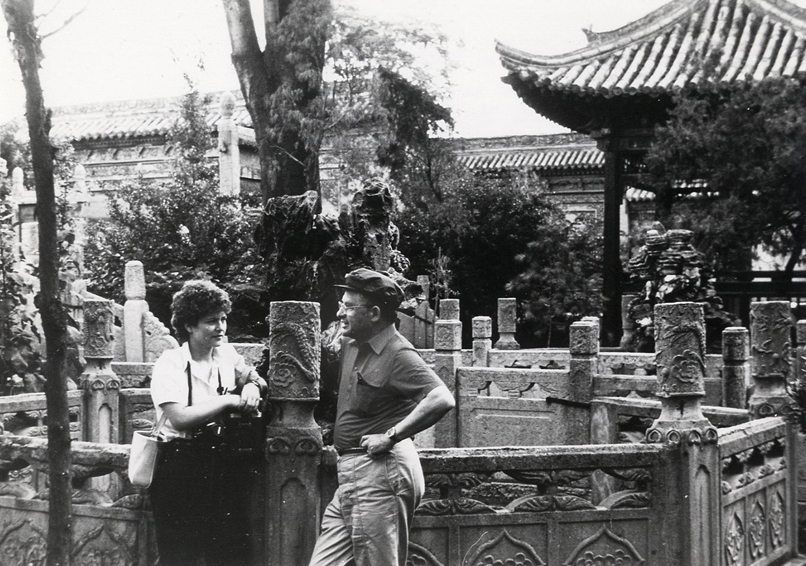
 

פרופ' שמיל רוכמן עם רעייתו מריון בביקור בסין. הימור מוצלח

עברית

fgsdfgsf

עברית
gsffgsfgffffffffffffffffffffffffdgfsdf
עברית

adnjkfnnl;

עברית
fgljskdjfdsjfo;
עברית

test templateasd

עברית
sdafaaaaaaaaagh
עברית

sdfhdfgsfggret

עברית
sdafdffdfghsdfh
עברית

fgddsgsdfgfsd

עברית
sdfgfsfsffgklnlsd;knfl
עברית

Fine China

עברית

Weizmann-Chinese archaeology team in Hunan
Prof. Stephen Weiner (sitting, second from left) and Dr. Elisabetta Boaretto (standing, fourth from left) with the international team of researchers


China gave the world porcelain: The name of the country is synonymous with elegant ceramic dinnerware. But did China also give the world its first clay pottery? Until now, there have been several contenders for that title, most notably Japan and eastern Russia. Now, Dr. Elisabetta Boaretto of the Helen and Martin Kimmel Center for Archaeological Science and Bar-Ilan University, and Prof. Stephen Weiner, Head of the Kimmel Center in the Weizmann Institute’s Faculty of Chemistry, along with an international team of researchers, have conclusively dated the most ancient pottery yet discovered to more than 18,000 years ago. This gives the award for the earliest known use of ceramic technology to the prehistoric residents of the Hunan region in southern China. The findings, which were recently published in the Proceedings of the National Academy of Sciences (PNAS), USA, show that clay pottery was being produced at least 1,000 years earlier than previously thought.
 

“Humans have used fire for around a million years, but it was just a ‘short while ago’ – less than 20,000 years – that they discovered how to bake clay-rich soil into vessels,” says Weiner. It was a technological feat that took place even before the era of great social and economic change accompanying the transition to permanent agricultural settlement known as the Neolithic. Up to now, however, dating either the sediment layers or the pottery and other artifacts found in ancient caves has been next to impossible. Standard dating techniques based on radioactive carbon have not produced reliable results, mainly due to the difficulty of finding well-preserved datable material.
 

Boaretto, Weiner and their colleagues tailored a new, multi-pronged approach to overcome these difficulties. First, they learned the layout of the Yuchanyan Cave in Hunan Province in detail, including each of its archaeological strata, before assembling a large collection of charcoal fragments and bones – about 150 altogether – for testing. Because the pottery can’t be directly dated, they paid special attention to samples from layers in which clay shards were also found. “The accepted method is to take as many datable samples as possible; but we chose a different approach,” explains Boaretto. She developed a strict system of “quality control” to sort the samples. Using an infrared spectrometer, the team identified the ones most likely to yield reliable data. Only samples that contained original carbon and hadn’t been contaminated with foreign carbon were used to date the various strata.
 

About 40 of the samples proved to be clean and well preserved, and these were subjected to radiocarbon dating. To confirm their analysis and check the fit between the radiocarbon dating of bone and charcoal and the age of the pottery vessels buried in the cave, the research team carried out extensive mapping of the cave’s strata and a micro-morphological analysis of its sediments. By the time they were done, they had produced a consistent sequence of dates for human presence in the cave, including ages for the pottery found there. The most ancient clay vessels were found to be around 18,300 years old – the oldest ever discovered.
 

Since the layers were mostly laid down by human activities – ash from fires, clay used to prepare fireplaces, remains of meals, etc. – the analysis of the cave sediments revealed a bit about the people who lived there. It seems the cave’s inhabitants dined on wild boar, turtles, fish, small mammals, and also wild rice. The Yangtze River basin in southern China was a center of settlement in the Late Paleolithic, and it’s likely that many of the caves in the region were similarly inhabited by such groups in the very early stages of transition from nomadic hunting to agricultural settlement, when they were just beginning to use clay vessels.
 

Although these findings have conclusively dated the earliest known pottery and shed light on the beginnings of human settlement in southern China nearly 20,000 years ago, a number of mysteries remain. For instance, why is there such a large gap between the use of pottery in eastern Asia and its adoption in the West? People in the Levant began producing clay vessels only some 10,000 years later than residents of southern China. Other technologies, in contrast – including the use of bronze and domestication of plants – arose earlier in western Asia. Could this technology have arisen independently in a number of places, or did it begin in China and then gradually spread throughout eastern Asia?


Prof. Stephen Weiner’s research is supported by the Ilse Katz Institute for Material Sciences and Magnetic Resonance Research; the Helen and Martin Kimmel Center for Archaeological Science; the Maurice and Vivienne Wohl Charitable Foundation; and the estate of George Schwartzman. Prof. Weiner is the incumbent of the Dr. Walter and Dr. Trude Borchardt Professorial Chair in Structural Biology.


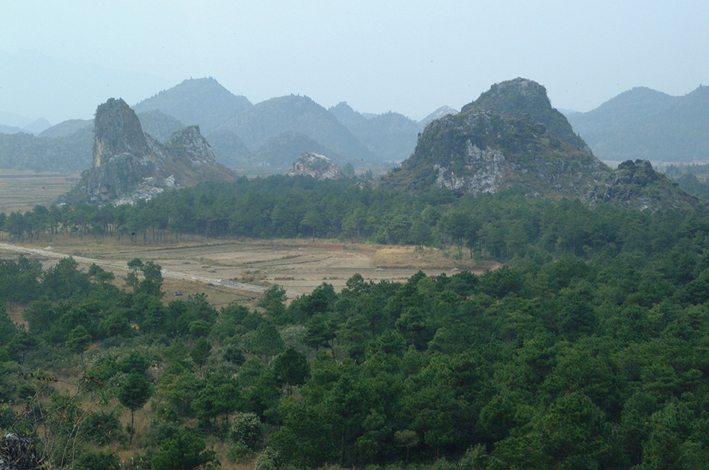
Hunan caves near site of ancient pottery
Hunan, in southern China, site of Yuchanyan Cave


עברית

עמודים